Taxes
How sole traders can pay taxes without mistakes in 2026
We explain which taxes to pay, when to pay them and how to avoid the most common mistakes.
 Inna DiachokOwner of the Accounting Services Centre
Paying taxes on time supports a stable business
Running a business involves more than developing a product or finding customers: it also means meeting tax obligations. Even a small error or missed deadline can lead to penalties, interest or additional checks.
Understanding your responsibilities in advance and keeping track of payments helps avoid unpleasant surprises.
Who can use the simplified tax system
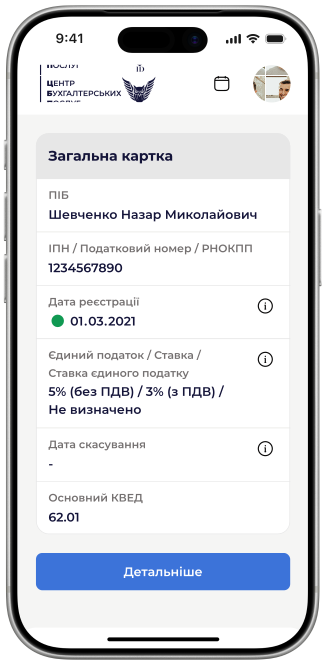
Start by reviewing your registration details, selected group and business activities. Discuss with your accountant whether they reflect how your business operates. Consider changes before preparing your next report.
Keep documents and agreed actions in one place. This makes it easier to find the information you need and discuss questions with your accountant.
Which taxes sole traders pay
Work with your accountant to list the payments relevant to your business. Record the name, period and payment details for each one. Check the details before paying and keep confirmation of the transaction.
Keep documents and agreed actions in one place. This makes it easier to find the information you need and discuss questions with your accountant.
Reporting deadlines
Create a calendar for reports and payments, with reminders. Prepare the documents for each period in advance so that there is time to check the figures and correct discrepancies.
Keep documents and agreed actions in one place. This makes it easier to find the information you need and discuss questions with your accountant.
Common mistakes
Rushing, overlooking payment details and disorganised records complicate the work. Check payment references, reporting periods and saved receipts. If you find a discrepancy, share it with your accountant for review.
Keep documents and agreed actions in one place. This makes it easier to find the information you need and discuss questions with your accountant.
Conclusions
Regular bookkeeping and a clear calendar help keep business finances organised. Agree on a workflow with your accountant and revisit it whenever your business circumstances change.
Keep documents and agreed actions in one place. This makes it easier to find the information you need and discuss questions with your accountant.